Introduction
Masonry has been an intrinsic part of construction for centuries, playing a pivotal role in shaping our architectural landscape. From the soaring cathedrals of Europe to the humble brick walls of residential Homepage homes, masonry combines artistry with science. But as beautiful as it is, masonry work requires skilled hands and a thoughtful approach—this is where a masonry contractor comes in. In this article, we’ll explore the multifaceted world of masonry, its artistic nuances, scientific principles, and why hiring a qualified professional is essential for your next project.
The Art and Science of Masonry: Why You Need a Contractor
What exactly does it mean when we say masonry is both an art and a science? At its core, masonry involves constructing structures from individual units—like bricks, stones, or blocks—held together by mortar. The artistry lies in the aesthetic choices of materials, patterns, and designs that create visually stunning results. On the other hand, the science involves understanding material properties, structural integrity, weather resistance, and installation techniques that ensure longevity.
Understanding Masonry: A Historical Overview
Masonry dates back thousands of years. Ancient civilizations like the Egyptians used stone to build monumental structures such as pyramids. The Greeks perfected column designs while Romans created enduring infrastructures like aqueducts through advanced masonry techniques. Each culture contributed to the evolution of masonry practices.
Why Masonry Stands the Test of Time
One might wonder why so many ancient structures are still standing today. The answer lies in their craftsmanship and quality materials. Skilled masonry contractors understand how to select appropriate materials based on climate conditions and structural needs.
Types of Masonry: Exploring Various Materials
Masonry isn't just about bricks; it encompasses several materials that offer unique benefits.
- Brick Masonry: Perhaps the most common form known for its durability and aesthetic appeal. Stone Masonry: Offers natural beauty but can be more expensive. Concrete Block Masonry: Known for its strength and thermal efficiency.
Choosing the right type depends on various factors including budget, design preference, and structural requirements.
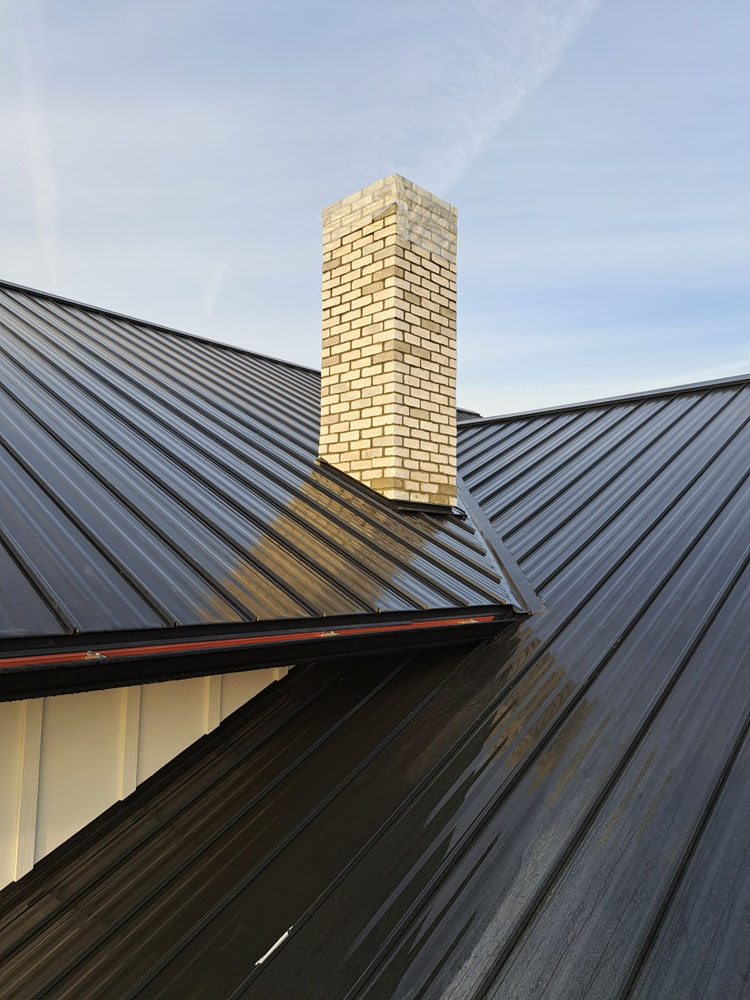
The Role of a Masonry Contractor
A qualified masonry contractor brings expertise to your project. They assess your needs, help you choose appropriate materials, design layouts that comply with local codes, and ensure quality workmanship throughout construction.
Why Experience Matters
Experience plays a crucial role in masonry. An experienced contractor knows how to avoid common pitfalls like poor drainage or inadequate support structures that could lead to problems down the line.
Essential Skills Every Masonry Contractor Should Have
Not all contractors are created equal! Here are some skills that differentiate a good masonry contractor:
Technical Knowledge: Understanding material properties. Attention to Detail: Ensuring precision in cuts and placements. Problem-Solving Skills: Addressing unexpected challenges during construction. Project Management: Coordinating timelines efficiently.Common Myths About Hiring Contractors
Many people have misconceptions about hiring contractors for masonry work. Let’s debunk them!
Myth 1: DIY is Just as Good
While DIY projects can be rewarding, they often lack the precision needed for structural integrity.
Myth 2: All Contractors Are Overpriced
A good contractor provides value through quality work that saves you money over time by avoiding repairs.
Benefits of Hiring a Professional
So what are the real advantages?
Quality Assurance: Professionals deliver high-quality finishes. Time Efficiency: Experienced contractors complete projects faster without sacrificing quality. Safety Compliance: They understand safety regulations ensuring compliance with building codes.The Cost Factor
How much does it cost to hire a masonry contractor? Costs can vary widely based on several factors:
- Type of material used Complexity of design Geographic location
Average Price Ranges
| Material Type | Average Cost per Square Foot | |----------------------|------------------------------| | Brick | $10 - $20 | | Natural Stone | $15 - $30 | | Concrete Block | $8 - $15 |
Inspection Before Hiring
Before choosing a contractor, consider conducting an interview or inspection process:
Ask about previous projects. Request references from past clients. Verify licenses and insurance coverage.The Importance of Communication
Clear communication is critical in any construction project—it ensures everyone’s on the same page regarding timelines and expectations.
How to Foster Effective Communication
Regular meetings can help address concerns early on while keeping everyone updated on progress.
Sustainability in Masonry
As environmental concerns rise globally… sustainability has become essential within construction practices too!
Eco-Friendly Materials
Using recycled bricks or sustainably-sourced stones not only enhances aesthetics but also reduces environmental impact!
Future Trends in Masonry Construction
What does the future hold for masonry? With advancements in technology…
- Use of 3D printing for quick prototypes Smart materials that adapt to environmental conditions
These innovations promise exciting possibilities for contractors!
FAQs About Hiring a Masonry Contractor
1. What should I look for when hiring a masonry contractor?
Look for experience, references from previous clients, proof of licensing/insurance coverage, and examples of prior work completed.
2. How long will my masonry project take?
It depends on several factors including project size/type but discussing timelines upfront with your contractor will provide clarity!
3. Can I perform basic repairs myself?
While small repairs may seem manageable… it's often best left to professionals who understand structural implications involved!
4. What types of warranties do contractors typically offer?
Most reputable contractors provide warranties covering workmanship defects ranging from one year up to ten years depending on scope/complexity involved!
5. How can I maintain my masonry once it's completed?
Regular cleaning followed by sealing joints periodically will help preserve aesthetics while protecting against moisture damage!
6. Is it worth investing extra money into higher-quality materials?
Absolutely! Higher-quality materials ensure better durability which translates into long-term savings by reducing maintenance costs down-the-line!
Conclusion
In summary… mastering the art and science behind masonry isn't just about laying bricks; it's about creating lasting structures infused with beauty! A skilled masonry contractor becomes indispensable throughout this process—from initial planning stages until completion—ensuring every detail aligns perfectly with your vision while adhering strictly to safety standards set forth by local regulations! So if you're considering any kind of stonework or bricklaying project… remember how essential it is finding someone experienced who understands both artistry involved alongside technical intricacies necessary make things right!
Every brick laid tells a story; make sure yours is crafted by someone who truly cares about bringing that narrative alive! Whether you're building your dream home or simply embarking on renovations… never underestimate power skilled labor brings towards achieving greatness within realm construction—one block at time!