The changing seasons bring not just a shift in scenery but also necessitate various preparations around the home. As autumn leaves fall and winter chills set in, it's paramount to focus on key areas of your household maintenance. One area often overlooked is your chimney. Regular inspections and maintenance ensure that it's not only functioning efficiently but also safely. In this comprehensive guide, we delve into why seasonal changes call for seasonal preparations—and how starting with your chimney can save you from future headaches.
Understanding Chimney Maintenance
What is Chimney Maintenance?
Chimney maintenance involves a series of checks and repairs to ensure that your chimney functions correctly. This includes cleaning out soot and creosote, checking for structural integrity, and ensuring that all components are working properly.
Why is Chimney Maintenance Important?
Neglecting chimney maintenance can lead to severe consequences such as house fires, carbon monoxide poisoning, or costly repairs down the line. These dangers highlight the importance of regular inspections and necessary masonry chimney repairs.
Seasonal Changes Call for Seasonal Preparations—Start with your chimney.
With each change of season, environmental conditions can impact your chimney's performance. From heavy snowfall to heavy rains, understanding these impacts can help you prepare accordingly.
Impact of Winter on Your Chimney
Cold Weather Challenges
During winter months, ice dams may form in your chimney, causing blockages and potential leaks into your home.
Snow Accumulation Risks
Heavy snow can weigh down on the structure or create excessive moisture when it melts—an ideal environment for mold growth.
Spring Cleaning: A Must for Your Chimney
As spring arrives, it's time to shake off the winter blues! The thawing process brings its own set of challenges; thus, scheduling a thorough inspection is crucial at this time.
Removing Creosote Build-up
After months of use during cold months, creosote build-up becomes a significant concern that requires attention.
Checking Structural Integrity
Inspecting for any cracks or signs of deterioration should be a priority as well.
How to Prepare Your Chimney for Each Season?
Preparing Your Chimney for Autumn
Inspection Checklist: What Should You Look For?
- Check flue liners Inspect brickwork for cracks Clean out accumulated debris
Winter Preparation: Essential Steps
- Schedule professional cleaning Install a chimney cap Ensure proper ventilation
Springtime Maintenance: What’s Next?
- Conduct an extensive inspection Repair any damages found Clean out any remaining blockages
Summer Care Tips
- Cover the top of the chimney to prevent rain damage Ensure no nests are forming inside
Signs You Need Masonry Chimney Repair
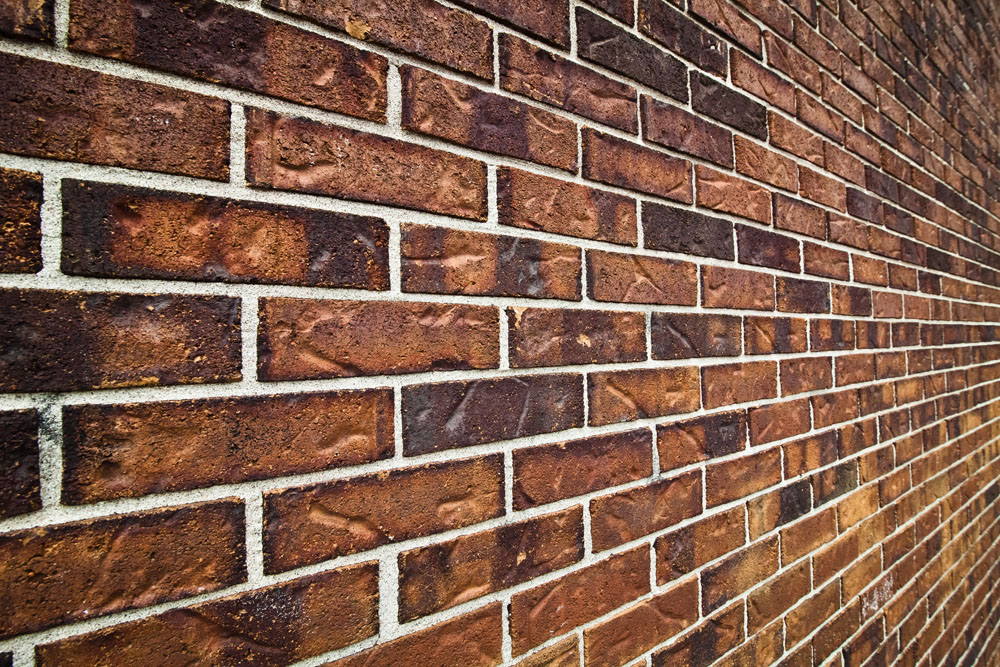
Cracks in Brickwork: When It’s Time to Act
Cracks may seem minor but they can lead to significant issues if left unattended.
What Causes Cracks in Masonry?
The expansion and contraction due to temperature fluctuations cause bricks to crack over time.
Leaning or Tilting Chimneys: A Red Flag!
A leaning chimney is often indicative of underlying structural problems that must be addressed immediately.
How Can You Identify This Issue?
Look at the alignment from different angles; if it appears tilted or uneven, seek expert advice.
The Importance of Hiring Professionals for Repairs
DIY vs Professional Work: Weighing Your Options
While DIY projects can be fun and rewarding, certain jobs require expertise—especially when it comes to safety concerns like chimneys.
Benefits of Hiring Experts
Knowledgeable about local building codes. Equipped with specialized tools. Ability to spot hidden issues effectively.Frequently Asked Questions (FAQs)
1. How often should I have my chimney inspected?
It’s advisable to have it inspected at least once a year, preferably before winter begins.
2. What causes creosote build-up?
Creosote builds up through incomplete combustion during burning wood in fireplaces or stoves.
3. Can I clean my own chimney?
While some tasks are manageable at home, hiring a professional ensures thorough cleaning and checks vital safety aspects.
4. Are there specific signs indicating I need masonry repair?
Yes! Look out for visible cracks in brickwork or mortar joints that could compromise structural integrity.
5. Is it safe to use my fireplace if I notice some issues?
It's best not Masonry chimney repair to use it until thorough inspections and necessary repairs have been completed by a professional.
6. What are common materials used in masonry repair?
Common materials include mortar mix, bricks/blocks, sealants, and water-resistant coatings designed specifically for chimneys.
Conclusion
In conclusion, as you transition through the seasons—the imperative task remains clear: seasonal changes call for seasonal preparations—start with your chimney! Prioritizing this essential fixture ensures safety and efficiency while chimney repair costs enhancing overall comfort within your home during colder months. By keeping an eye on maintenance needs throughout the year—with particular attention paid during transitions—you’ll safeguard against both minor inconveniences and major hazards alike!
Don’t overlook those vital masonry chimney repairs; after all, prevention is always better than cure! So gear up this season—inspect, maintain—and enjoy peace of mind knowing you’ve taken steps towards protecting your home!