Introduction
When it comes to enhancing your home's exterior, few elements can compare to the elegance and durability of masonry walkways. These pathways not only provide a practical solution for navigating your garden or yard, but they also add an element of sophistication that can elevate the overall aesthetic of your property. From charming stone walkways to robust masonry structures, homeowners are increasingly turning to these durable solutions for their landscaping needs. In this article, we will delve into the various aspects of masonry walkways, exploring their benefits, design options, installation processes, and maintenance tips, ensuring you have all the information needed to make an informed decision.
Masonry Walkway: The Foundation of Outdoor Elegance
Masonry walkways serve as the backbone of any outdoor space. They create defined paths that guide visitors through gardens and landscapes while adding a sense of structure and organization. Not only do they fulfill a practical purpose; they also contribute significantly to your home’s curb appeal.
Why Choose Masonry Walkways?
Masonry walkways come with numerous advantages:
Durability: Built from strong materials like brick, stone, or concrete, masonry walkways can withstand heavy foot traffic and harsh weather conditions. Aesthetic Appeal: They can be customized in various patterns and designs to match your home's style. Low Maintenance: Unlike wooden pathways that may rot or warp over time, masonry requires minimal upkeep. Increased Property Value: A well-designed walkway can enhance the value of your property.Exploring Different Materials for Masonry Walkways
Understanding the materials used in constructing masonry walkways is crucial for making an informed choice that aligns with your aesthetic preferences and functional requirements.
Brick Walkways
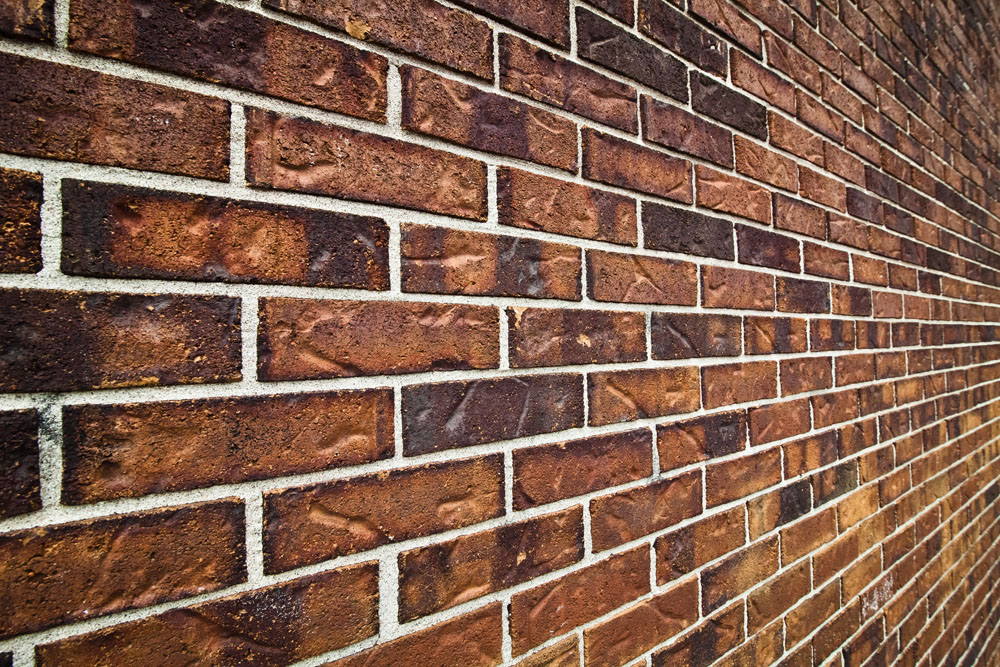
Brick is a classic material used in masonry walkways that exudes timeless charm. With its rich colors and textures, brick provides a warm ambiance suitable for various architectural styles.
Benefits of Brick Walkways
- Variety in Design: Available in multiple colors and sizes. Sustainability: Made from natural clay, bricks are eco-friendly options. Slip Resistance: Their textured surface offers good traction.
Stone Walkways
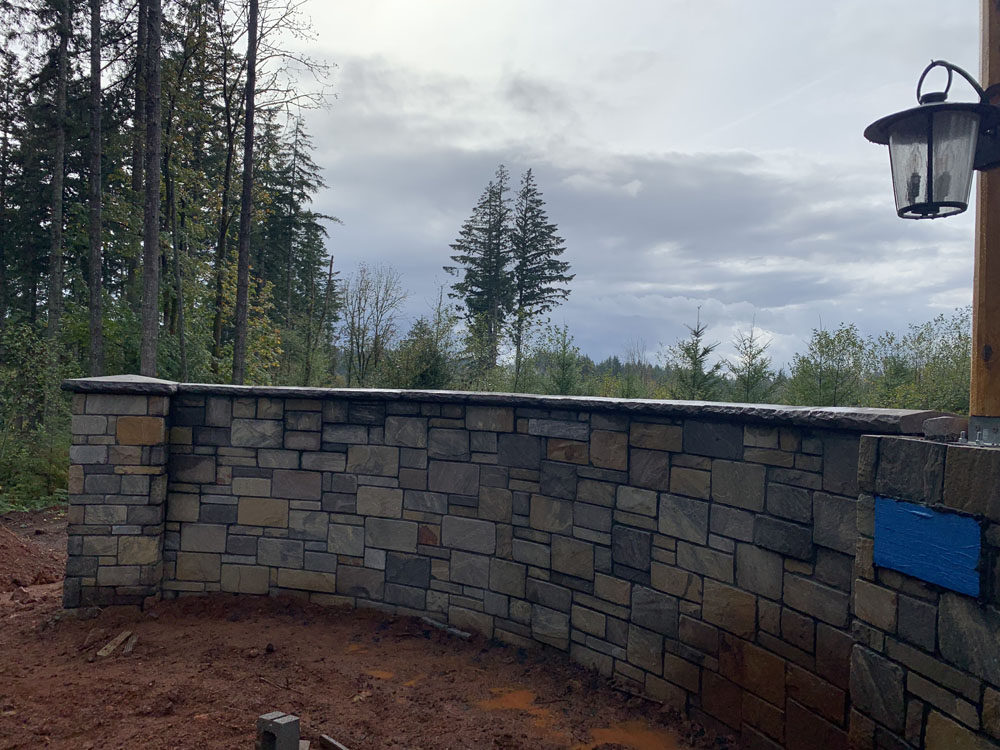
Stone walkways offer a rustic elegance that's hard to replicate with other materials. Whether you choose granite, slate, or limestone, each stone type brings its unique character.
Advantages of Stone Walkways
- Natural Beauty: Each stone has distinct variations that create visual interest. Longevity: Highly resistant to weathering and wear. Versatility: Suitable for both formal gardens and casual landscapes.
Concrete Walkways
Concrete is often seen as the workhorse of masonry materials due to its strength and versatility. With advancements in design techniques, concrete can now mimic more expensive materials Ramos Masonry like stone or brick.
Perks of Concrete Walkways
- Cost-Effective: Generally less expensive than stone or brick alternatives. Customization Options: Can be stained or stamped for added texture and color. Strength: Capable of supporting heavy loads without cracking.
Designing Your Masonry Walkway
Creating a stylish walkway involves considering various design elements that reflect your taste while complementing your home’s architecture.
Choosing the Right Pattern
The pattern you select plays a pivotal role in defining the look of your walkway:
Herringbone Pattern - Adds dynamism with diagonal lines. Basketweave Pattern - Provides a traditional touch with interwoven bricks. Random Patterning - Offers a more casual feel using varied sizes and shapes.Incorporating Edging Elements
Edging not only helps define the pathway but also adds an aesthetic finish:
- Use bricks or stones as edging for definition. Consider low-maintenance plants alongside edges for a softer look.
Lighting Considerations
Integrating lighting into your walkway enhances safety while showcasing its beauty at night:
Solar pathway lights are eco-friendly options. Recessed lighting within the walkway provides subtle illumination.Installation Process for Masonry Walkways
Installing a masonry walkway requires careful planning and execution to ensure durability and aesthetic appeal.
1. Planning Your Pathway Layout
Begin by sketching out where you'd like your walkway to go—consider functionality first:
- Will it lead directly to your front door? Should it meander through gardens?
2. Gathering Necessary Materials
Depending on your chosen material—brick, stone, or concrete—gather all required supplies including:
| Material | Quantity Needed | |------------------|----------------| | Bricks/Stone | Depends on Area| | Sand/Gravel | 1 cubic yard | | Cement | 1 bag |
3. Preparing the Ground
Proper ramosmasonry.com ground preparation is essential for stability:
- Remove existing grass or debris from the path area. Level out soil using shovels or rakes.
4. Laying Down Base Material
A solid base typically consists of crushed gravel topped with sand:
Spread gravel evenly across the area (about 4 inches deep). Compact it firmly using a tamper tool before adding sand (about 1 inch deep).5. Installing Your Chosen Material
Follow these steps based on material type:
For Brick Installation:
Lay bricks starting from one end following your chosen pattern. Leave gaps for mortar application.For Stone Installation:
Fit stones tightly together as you lay them down. Fill gaps with sand or mortar depending on design preference.Maintenance Tips for Long-lasting Masonry Walkways
While masonry walkways require less maintenance than other types of paths, some care ensures their longevity.
1. Regular Cleaning
Keep weeds at bay by regularly sweeping away debris:
- Use a broom or leaf blower weekly during peak seasons.
2. Inspecting Grout Joints
Check grout joints periodically for cracks or erosion; repairing them promptly prevents further damage.
FAQs About Masonry Walkways
FAQ 1: Are masonry walkways expensive?
Yes, but when you consider their durability and low maintenance costs over time, they’re often worth every penny!
FAQ 2: Can I install a masonry walkway myself?
Absolutely! However, if you're unsure about laying materials correctly or require intricate designs—hiring professionals might save time!
FAQ 3: How long do masonry walkways last?
With proper care and maintenance? They can last several decades!
FAQ 4: What’s the best material for high traffic areas?
Brick is generally recommended because it withstands heavy use better than other options!
FAQ 5: Do I need permits before installing one?
This depends on local regulations; always check beforehand!
FAQ 6: Can I customize my masonry walkway design?
Of course! Customization is one major perk when choosing masonry over pre-fab options!
Conclusion
Masonry walkways present an exceptional blend of functionality and luxury that no homeowner should overlook when considering outdoor improvements. Their durability means they stand up against time while providing endless possibilities concerning aesthetics—from sophisticated patterns to diverse material choices like stonewalks or brick pathways! Remember—weigh all these factors carefully before diving into installation! Investing wisely today leads not only toward enhanced beauty but also significant value appreciation tomorrow!
So why wait? Elevate your outdoor spaces with stunningly crafted masonry walkways—a durable solution indeed!